Latest posts
The Blair Witch Project Mythology Explained: Why None of It Adds Up

Here’s the Blair Witch Project mythology explained in one sentence: it was never built to add up, and that refusal to resolve is the real engine behind why Daniel Myrick and Eduardo Sánchez’s 1999 found-footage debut still unsettles people twenty-five years later. Every legend has an authoritative version, the one you’d get if you could…
Cannibal Holocaust Real Cannibals Meaning: The Trial, the Ban, and the Screenwriter Nobody Credits
There was a stretch in his late twenties when he genuinely believed journalism could change something. He doesn’t hold that against the person he was. He just doesn’t carry the belief anymore, and he can tell you almost to the week when it started going, somewhere in the middle of a corruption story that got…
Movies Like The Lost Boys (1987): The Family You Choose

The closest films to The Lost Boys (1987) — the ones that share its real subject, not just its decade or its fangs — are Near Dark (1987), Fright Night (1985), The Monster Squad (1987), What We Do in the Shadows (2014), Buffy the Vampire Slayer (1992), and The Craft (1996). People who search for…
Who Is the Head Vampire in The Lost Boys? Ending Explained
There is a particular kind of love that arrives disguised as belonging, offering you a family, a place, a set of people who already seem to have decided you’re one of them before you’ve done anything to earn it, and showing you the terms of the arrangement only once you’re too far in to walk…
Thirst 2009 Hidden Details: What Park Chan-wook Buried in the Margins
Thirst (2009), Park Chan-wook’s Cannes Jury Prize-winning vampire film starring Song Kang-ho and Kim Ok-vin, hides its best material in plain sight. A shoe motif the director himself has called the film’s most romantic image. A mahjong scene where a stroke-silenced woman spells out her son’s murder in front of the two people who killed…
Thirst (2009) Ending Explained: What the Dawn Scene Really Costs

This Thirst 2009 ending explained breakdown starts with the direct answer: Sang-hyun drives Tae-ju to the coast at dawn, refuses to keep killing to survive, and waits with her for a sunrise neither of them can outlast, while Kang-woo’s paralyzed mother is brought along to watch. The plot mechanics are plain enough on a first…
Let the Right One In (2008) Hidden Details: What the Film Never Explains
This Let the Right One In 2008 hidden details piece focuses on what’s easy to miss in Tomas Alfredson’s 2008 film, already one of the coldest vampire stories on screen: a real Tolkien passage read aloud in an early classroom scene, a Shakespeare line hidden inside a note, and a children’s toy that pins the…
Let the Right One In (2008) Ending Explained: Why It Isn’t Ambiguous

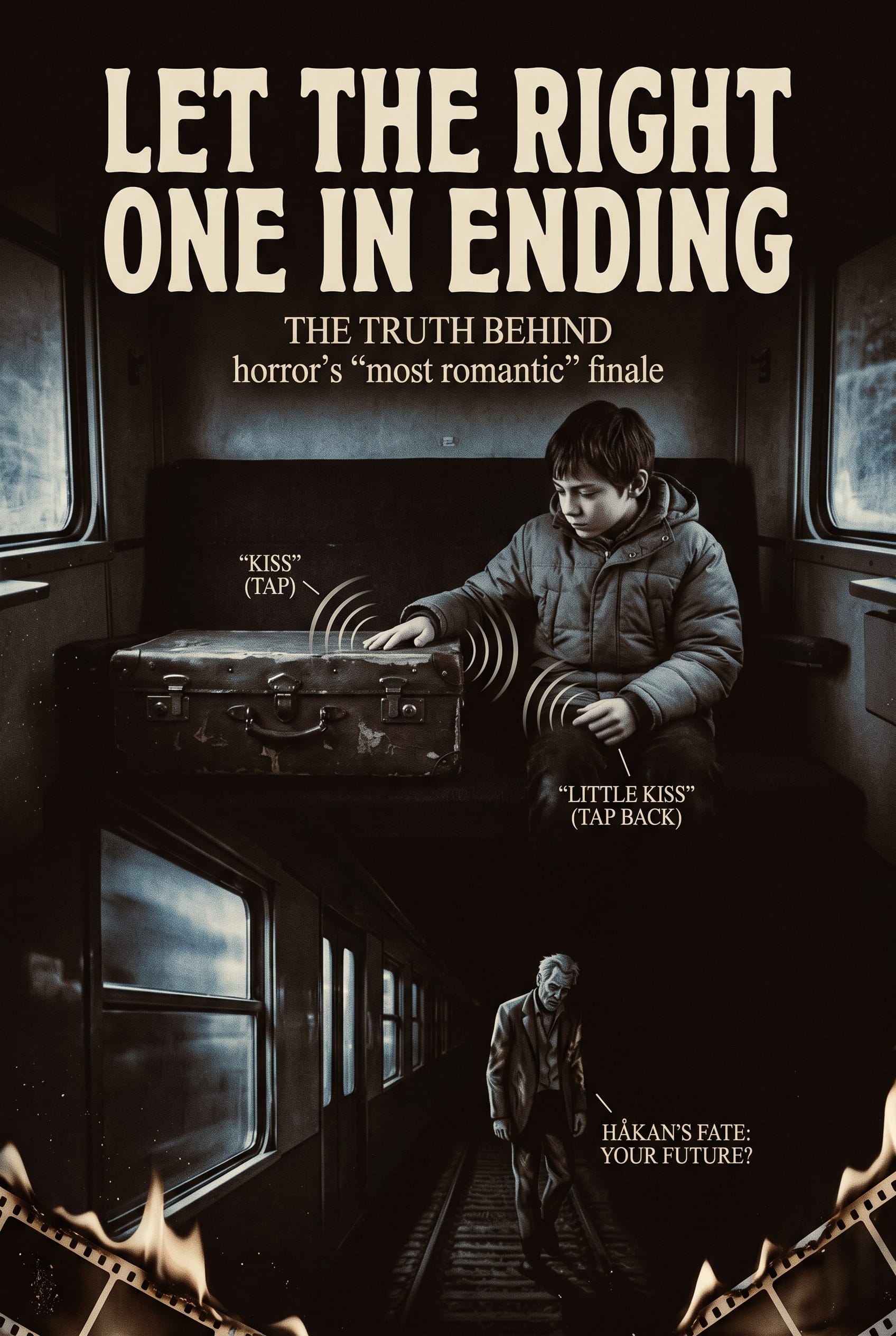
This Let the Right One In 2008 ending explained breakdown starts with the direct answer: in Tomas Alfredson’s film, one of the best vampire movies ever made, Oskar boards a train with Eli hidden in a trunk, and the two exchange the word “kiss” in Morse code — a moment widely read as romantic that…
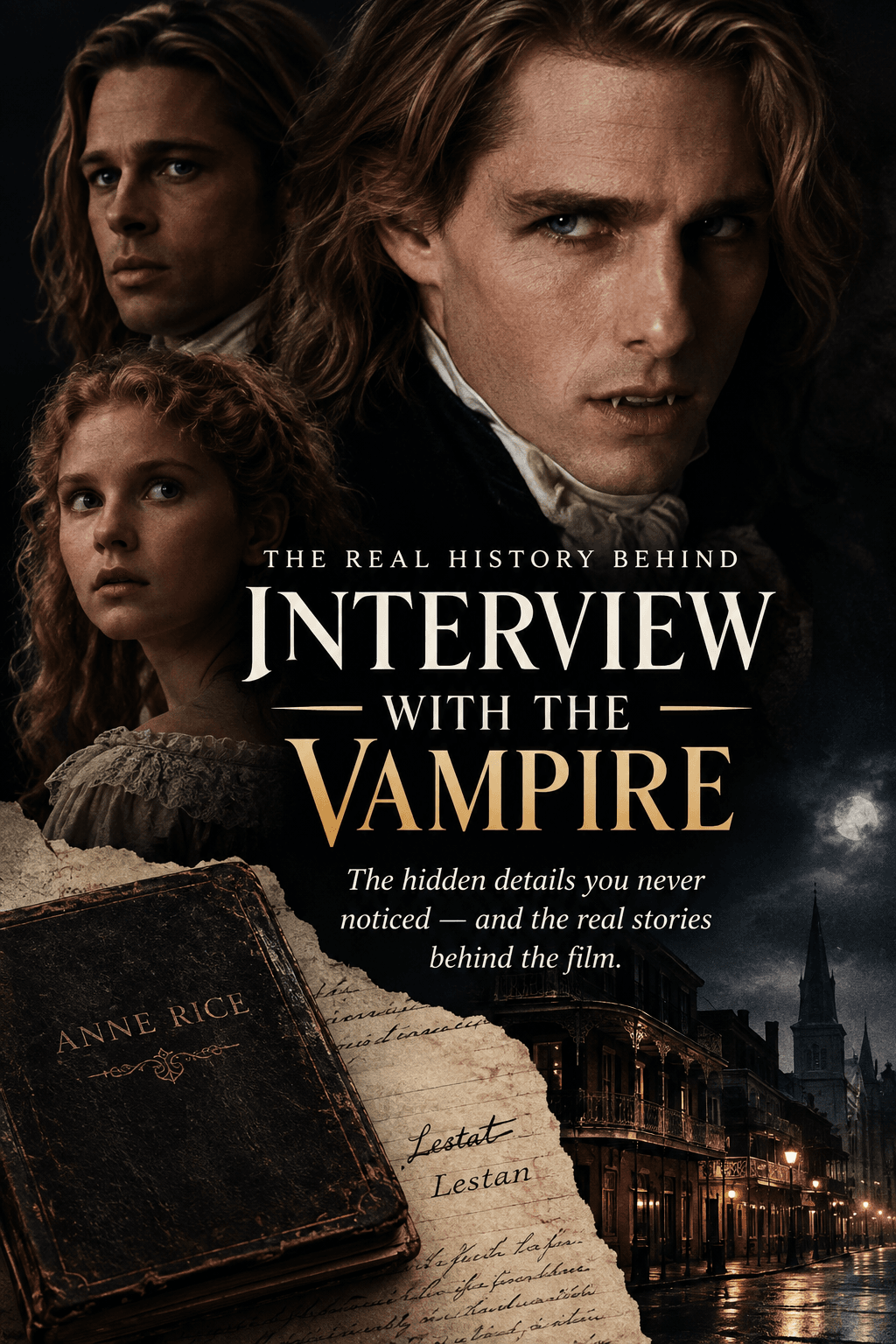
Interview with the Vampire 1994 Hidden Details: What the Film Never Explains
This Interview with the Vampire 1994 hidden details breakdown collects the real history sitting underneath Neil Jordan’s film adaptation of Anne Rice’s 1976 novel — facts about the book, its author, and its real filming locations that never make it into the finished movie itself, from a vampire’s name that started as a spelling mistake…
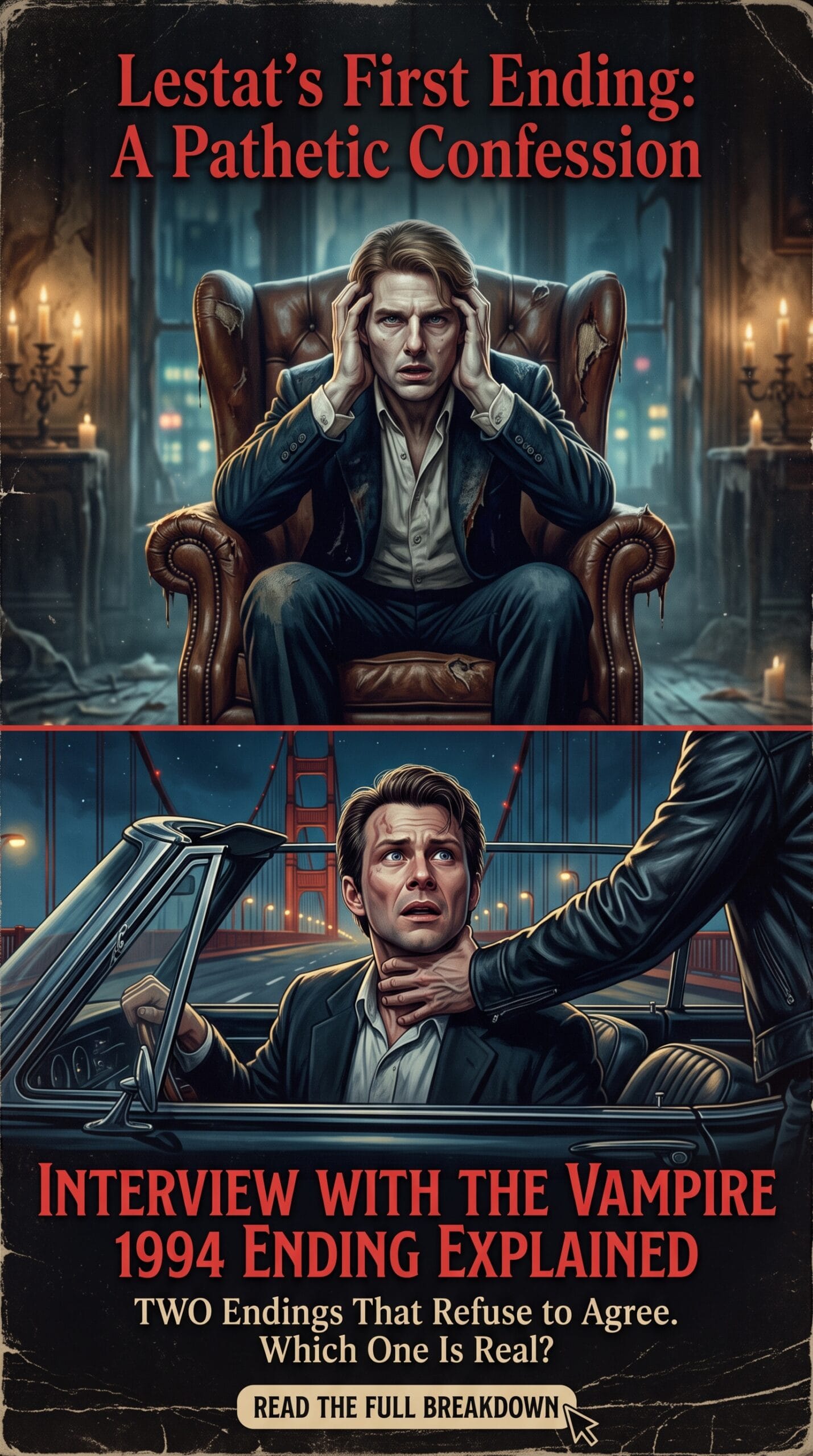
Interview with the Vampire 1994 Ending Explained: Two Endings That Don’t Agree
This Interview with the Vampire 1994 ending explained breakdown untangles both of the film’s closing scenes: Lestat’s private, sorrowful confession to Louis in a ruined mansion, and the far more violent, ambiguous attack on journalist Daniel Malloy on a bridge minutes later. Directed by Neil Jordan from Anne Rice’s own screenplay adaptation of her 1976…